
Testosterone Myths: Hair Growth, Aggression and What Really Matters
Testosterone treatment is surrounded by myths.
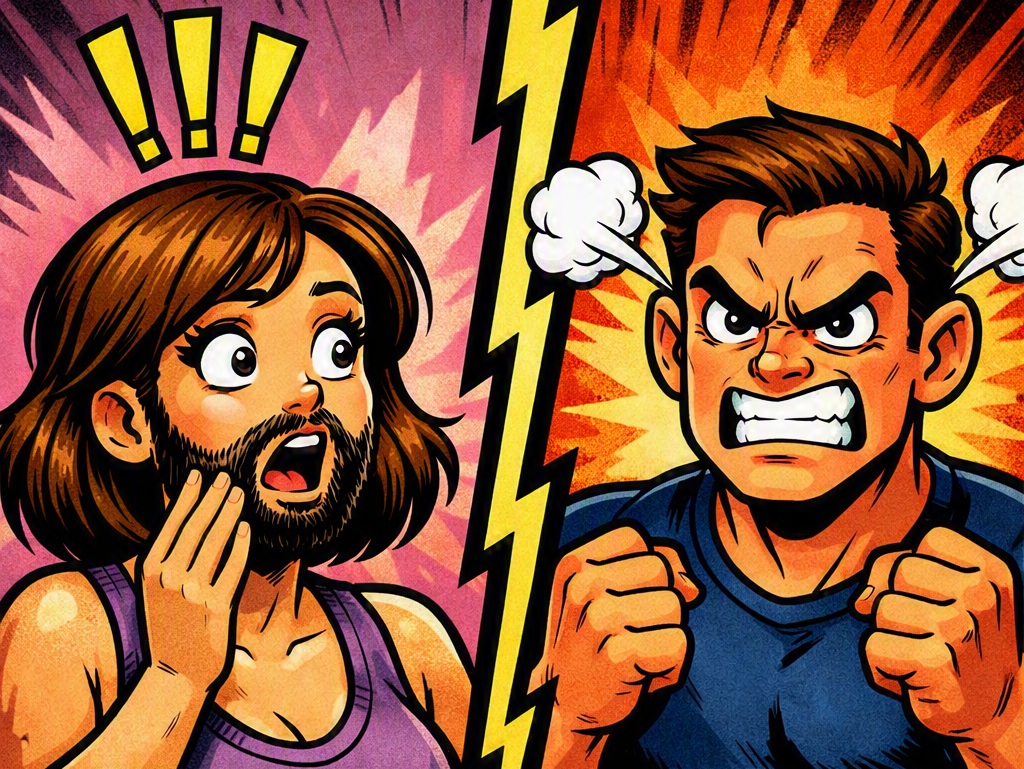
Women often worry they will grow facial hair or develop masculine side effects. Men often worry they will become aggressive or emotionally different. These concerns are understandable, but they can make testosterone treatment sound more frightening than it needs to be.
The truth is more balanced: testosterone can cause side effects, but careful dosing and monitoring are designed to reduce risk.
For women, testosterone is usually prescribed in much smaller amounts than for men. That is why a bespoke low-dose cream can be helpful. A woman who needs testosterone support may require only a very small dose, and the aim is to stay within an appropriate female physiological range.
NHS information lists acne, unwanted hair growth and weight gain as possible side effects of testosterone, but says these are not common. Voice changes, hair growth or acne can be more concerning if doses are too high or levels rise above the intended range, which is why testosterone should not be used casually or without monitoring.
A bespoke service allows your clinician to start low and adjust gradually if needed.
For men, the fear is often different. Many men associate testosterone with anger or aggression. But medically supervised testosterone replacement for confirmed low testosterone is not the same as abusing anabolic steroids or using supraphysiological doses for performance enhancement.
In prescribed testosterone treatment, the goal is to restore testosterone to an appropriate range, not to push it above normal. Licensed male testosterone products such as Testogel are indicated for testosterone replacement therapy in adult male hypogonadism when deficiency has been confirmed by clinical features and biochemical tests.
That distinction matters.
When testosterone is prescribed properly, your clinician considers your symptoms, your blood results, your medical history, your safety markers and your follow-up plan. If side effects occur, the dose can be reviewed, adjusted or stopped.
This is why Remivida Select uses a blood-test-led and clinician-reviewed approach.
Our bespoke testosterone cream is compounded to the strength selected for you. It is available from ultra-low-dose options through to higher-strength preparations, where clinically appropriate. Each pump delivers 0.5 mL of your prescribed cream, making dosing clear and measured.
The service is designed for men and women who want a responsible route to testosterone support, not a “one bottle fits everyone” solution.
Symptoms that may lead someone to consider testosterone include low libido, low energy, poor motivation, reduced recovery, brain fog or reduced wellbeing. However, symptoms alone do not prove low testosterone. Alcohol intake, sleep, stress, menopause, thyroid function, medication and wider health issues can all play a role.
That is why blood testing is required before treatment.
For women around menopause, NICE recommends considering testosterone supplementation for low sexual desire associated with menopause if HRT alone is not effective. For men, testosterone deficiency should be assessed with symptoms and blood tests, not symptoms alone.
The safest approach is not to ignore testosterone, but also not to overuse it.
The right approach is personalised, measured and clinician led.
Concerned about testosterone symptoms? Do an assessment at remivida.co.uk.